
Botox has become one of the most widely used cosmetic treatments in the world, known for its ability to soften wrinkles and create a more refreshed appearance. Despite its popularity, many people still have questions about how Botox works, who it’s for, and what results to expect. Understanding the basics can help individuals make informed decisions about whether Botox is right for them.
What Is Botox?
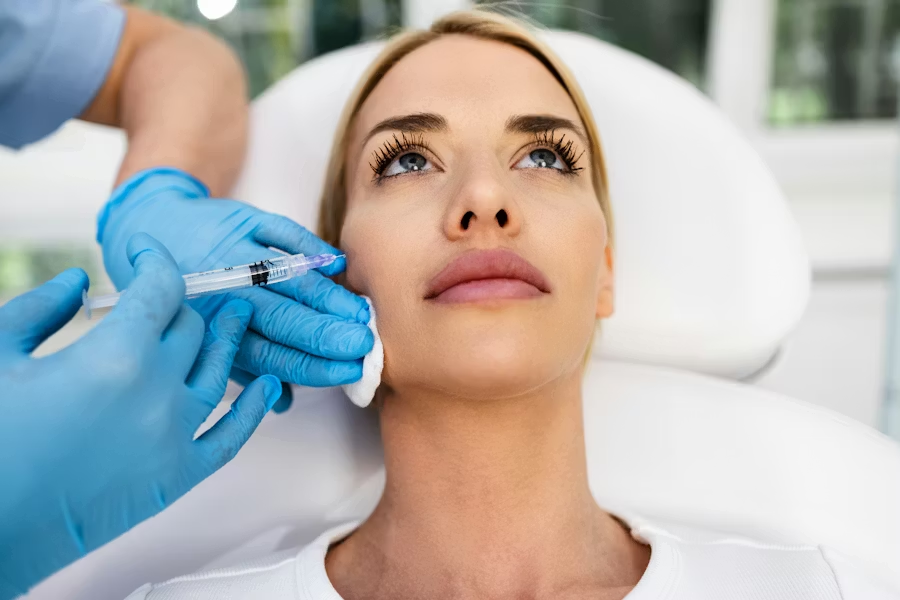
Botox is a purified form of botulinum toxin type A that is used in small, controlled doses for medical and cosmetic purposes. In aesthetic treatments, Botox is primarily used to temporarily relax targeted facial muscles that cause expression-related wrinkles, such as frown lines, forehead lines, and crow’s feet.
By reducing muscle movement in specific areas, Botox helps smooth existing wrinkles and prevents deeper lines from forming over time.
How Botox Works
Facial wrinkles often develop from repeated muscle movements—such as squinting, smiling, or frowning—combined with natural collagen loss as we age. Botox works by blocking nerve signals to the treated muscles, preventing them from contracting as strongly.
This relaxation allows the overlying skin to appear smoother and more rested while still maintaining natural facial expression when properly administered.
Common Treatment Areas
Botox is commonly used to treat:
- Forehead lines
- Frown lines between the eyebrows (glabellar lines)
- Crow’s feet around the eyes
- Bunny lines on the nose
- Jaw clenching or teeth grinding (masseter muscles)
- Excessive sweating (hyperhidrosis)
Treatment plans are customized based on facial anatomy and individual goals.
What Results Can You Expect?
Results from Botox typically begin to appear within 3–7 days, with full effects visible by about 10–14 days. The skin appears smoother, and facial expressions often look more relaxed and refreshed.
Botox results generally last 3–4 months, after which muscle activity gradually returns and repeat treatment may be needed to maintain results.
Is Botox Safe?
When administered by a trained medical professional, Botox is considered safe and effective. It has been extensively studied and used for decades in both medical and cosmetic settings.
Possible side effects are usually mild and temporary and may include slight swelling, redness, or bruising at the injection site. Serious complications are rare when treatment is performed correctly.
Who Is a Good Candidate?
Botox may be suitable for individuals who:
- Want to reduce the appearance of dynamic wrinkles
- Prefer a non-surgical treatment with minimal downtime
- Are interested in preventative aging treatments
- Are in overall good health
A medical consultation is important to determine suitability and ensure safe treatment.
Botox as Preventative Care
Many people now use Botox preventatively to reduce repetitive muscle movement before deep wrinkles form. By relaxing targeted muscles early, Botox may help slow the development of long-term lines and maintain smoother skin over time.
Final Thoughts
Botox is a versatile, well-studied treatment that can offer natural-looking results when used thoughtfully and conservatively. Whether used to soften existing lines or as part of a preventative skincare approach, Botox remains a popular option for individuals seeking subtle facial rejuvenation without surgery.
As with any medical aesthetic treatment, education, proper technique, and individualized care are key to achieving safe and satisfying results.